


Radiofrequency (RF) Treatment: What is it?
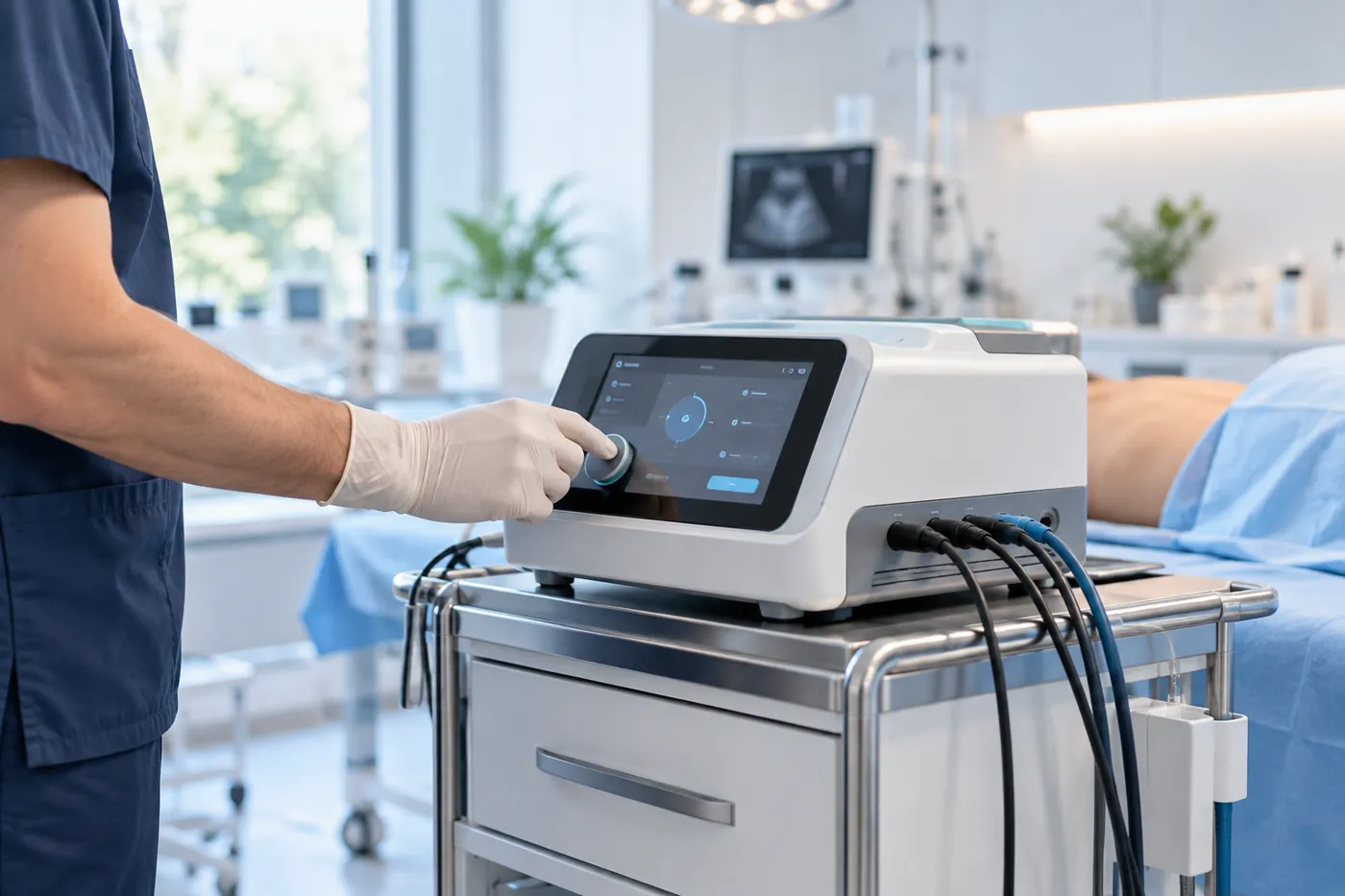
A special electrode needle is placed next to the small sensory nerve carrying the pain. In thermal RF, the nerve is deactivated with controlled heat; in pulsed RF, intermittent current changes pain transmission without damaging the nerve. A positive diagnostic block is usually required first.
Who it’s for
- Facet-related back / neck pain
- Sacroiliac joint pain
- Knee osteoarthritis (genicular RF)
- Shoulder pain (suprascapular pulsed RF)
- Trigeminal neuralgia
- Pulsed RF for radicular pain
Before the procedure
Bring MRI or CT scans from the past year (disc and report).
Always tell us if you take them. Your doctor decides whether to pause them; do not stop on your own.
If sedation is planned, do not eat for the time you are told.
Come with someone who can take you home; do not drive.
Wear loose clothes that give easy access to the treatment area.
Tell us in advance about possible pregnancy, diabetes, allergies or a pacemaker.
How it’s done
- 1Diagnostic block
A local anaesthetic block first confirms the target nerve causes the pain.
- 2Placement
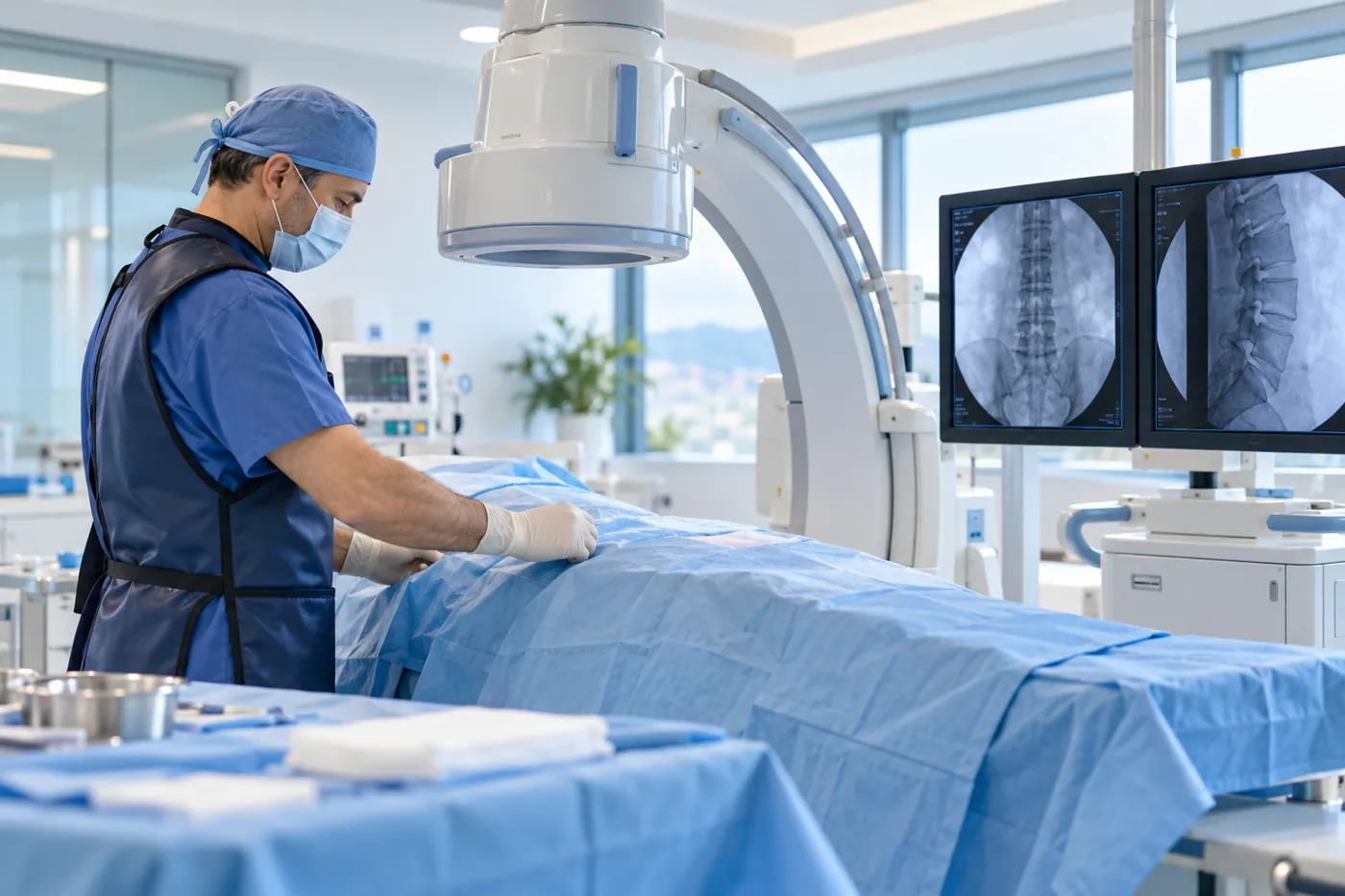
The RF electrode is placed beside the nerve under fluoroscopy.
- 3Testing
Sensory and motor stimulation confirm the correct nerve.
- 4Treatment
Thermal or pulsed RF is applied, then the electrode is removed.
After the procedure
First 1–2 weeks
Temporary soreness or a burning feeling at the site may occur and fades.
Full effect
The full effect usually appears within 2–4 weeks.
Repeatable
The nerve can regrow over time; if pain returns, RF can be repeated.
Movement
Starting an exercise programme as pain eases supports the result.
Risks and side effects
Like any medical procedure, this treatment has possible side effects. Most are mild and temporary; you receive detailed information and give written consent beforehand.
Soreness, burning or tenderness at the site for 1–2 weeks.
Temporary skin numbness, neuritic pain, infection or bleeding.
A pacemaker or implanted device, blood thinners and possible pregnancy must be reported before the procedure.
Questions
Is ablating the nerve safe?
Thermal RF targets only small sensory branches carrying pain; motor nerves are protected by stimulation testing.
How is pulsed RF different?
Pulsed RF does not permanently damage the nerve and is used on nerve roots and larger nerves. Thermal RF gives longer relief on small sensory branches.
Information on this site is for general guidance and does not replace a medical examination.