

Your treatment journey from first visit to follow-up
Knowing what happens and when makes the process easier. Every step from assessment to procedure day and follow-up is here.

Treatment in four steps
Assessment
Pain history, physical exam and a recorded 0–10 pain score.
Diagnosis
MRI and CT review; a diagnostic block to confirm the source when needed.
Procedure
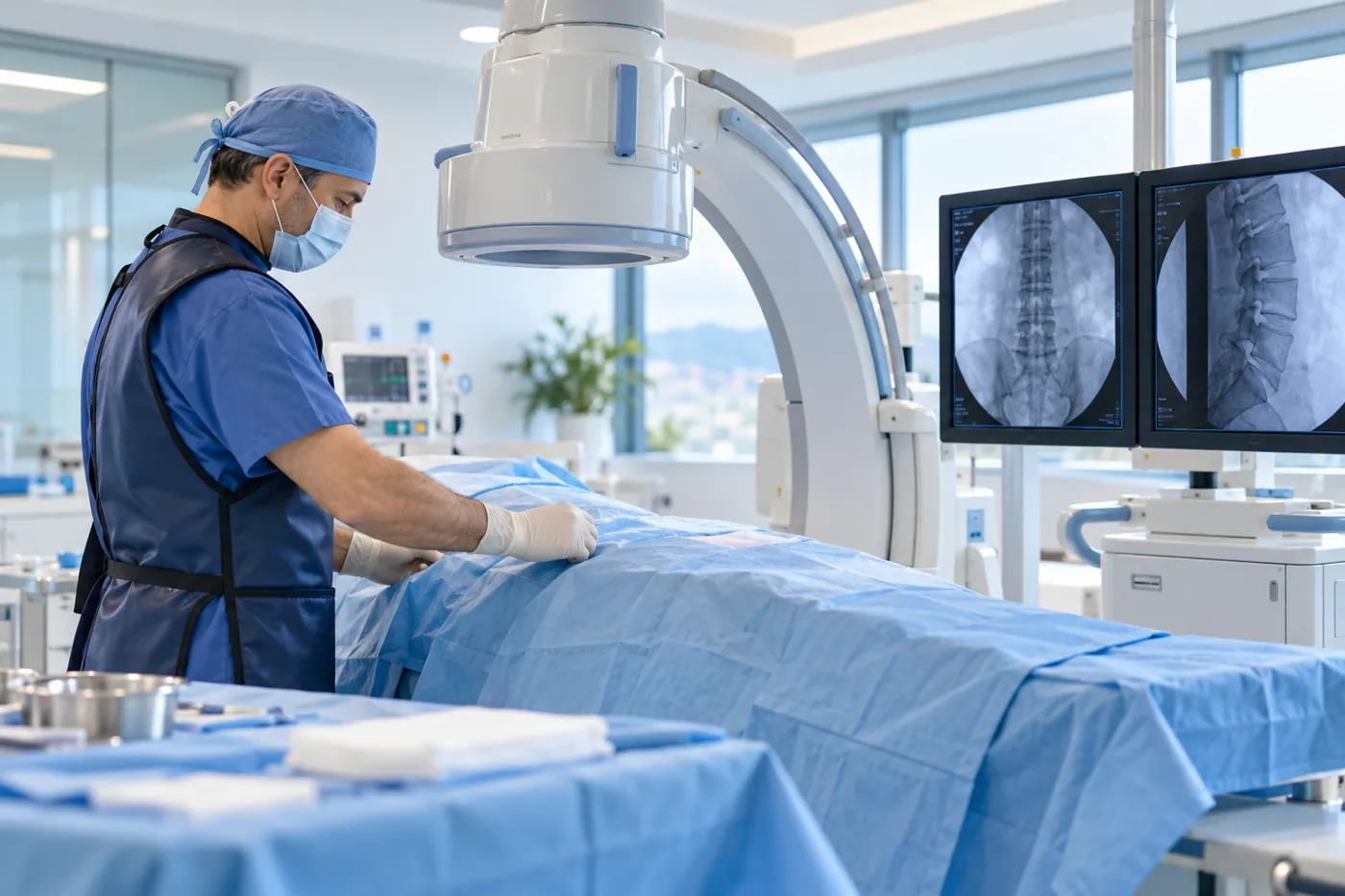
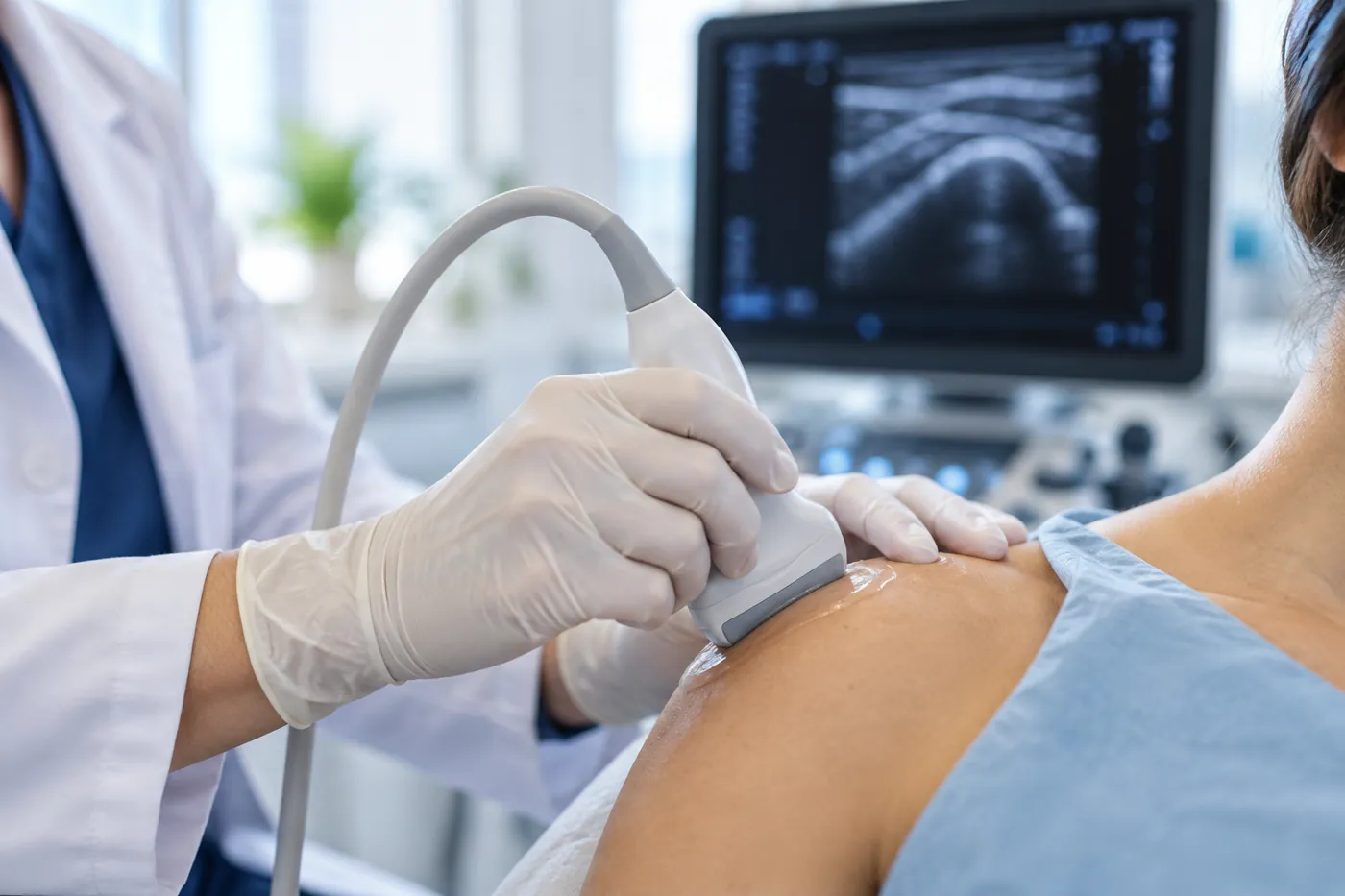
Fluoroscopy- or ultrasound-guided day procedure under local anaesthesia.
Follow-up
Score re-measured, exercise programme, and plan adjusted if needed.
Procedure day
- 1Check-in and preparation
Registration, consent form and a short pre-procedure check. Blood pressure and blood sugar are measured.
- 2Procedure
In the procedure room under image guidance. Takes 15–60 minutes depending on the treatment.
- 3Observation
30–60 minutes of rest and monitoring afterwards.
- 4Discharge
You go home with your companion and written care instructions.
Preparation checklist
Bring MRI or CT scans from the past year (disc and report).
Always tell us if you take them. Your doctor decides whether to pause them; do not stop on your own.
If sedation is planned, do not eat for the time you are told.
Come with someone who can take you home; do not drive.
Wear loose clothes that give easy access to the treatment area.
Tell us in advance about possible pregnancy, diabetes, allergies or a pacemaker.
Follow-up
First follow-up
Usually 2–4 weeks after the procedure. Your pain score is measured again, your exercise programme adjusted and the plan updated if needed.
Track your pain
Recording your pain score regularly until follow-up helps us judge the effect of treatment accurately.
Open the Pain ScaleInformation on this site is for general guidance and does not replace a medical examination.
Let’s find the source
of your pain together.
Fill in the form or call us to book an assessment. Bringing your MRI, CT and previous reports speeds up the evaluation.